
Hair Regrowth Journey
- Alicia Gromicko
- Dec 11, 2025
- 4 min read

When Your Hair Tells a Story You Didn't Write: My Journey to Finding Real Solutions
If you've ever stood in the shower watching clumps of hair circle the drain, or avoided mirrors because you couldn't bear to see your thinning part line, you know the heartbreak I'm talking about. Hair loss isn't just physical—it cuts deep into who we feel like we are.
My Story
In 2020, my hair started falling out. Not just the normal 50-100 strands a day that experts say is typical—I'm talking about losing roughly 50% of my hair. The culprits? A perfect storm of menopause and chronic back pain that had my stress levels through the roof.
I thought that was my rock bottom. I was wrong.
Fast forward to 2025, and I found myself dealing with significant hair loss again—this time because an HRT clinic had prescribed me too much testosterone. There I was, watching my hair thin all over again, feeling like I was back at square one.
The Product Graveyard
Like many of you, I became a desperate consumer. Hair growth serums, vitamins, minoxidil, copper peptides—if someone on the internet said it worked, I bought it. My bathroom cabinet looked like a hair loss treatment museum. And yet, my hair kept shedding. It remained frail, brittle, and lifeless despite all those promises on pretty packaging.
Here's what I've learned: throwing products at hair loss without understanding the root cause is like putting a bandage on a broken bone.
Finding a Different Approach
Recently, I discovered The PRP Center, a clinic that focuses specifically on non-surgical hair restoration using treatments backed by clinical research. What struck me immediately was their evidence-based approach—they don't just sell you something and send you home hoping for the best. They actually investigate why your hair is falling out.
The Game-Changer I Wish I'd Known Sooner
One of the most valuable things I learned during my consultation was something surprisingly simple: get your bloodwork done. Specifically, have your iron, ferritin, Vitamin D, and Vitamin B12 levels checked. These nutrients are essential for healthy hair growth, and deficiencies in any of them can contribute to shedding and weak, frail hair.
I'd spent years (and more money than I care to admit) on topical treatments when part of my problem might have been happening on the inside all along. The website confirms this—nutritional deficiency is listed as one of the medical conditions that can cause hair loss in women.
Understanding Why Women Lose Hair
According to The PRP Center, about 40% of American women will experience visible hair loss by age 40, and that number only increases with age. Even among women without a diagnosed pattern of hair loss, around 40% report excessive shedding. So if you're dealing with this, please know—you are far from alone.
The causes are varied: hormonal changes from perimenopause and menopause (check), stress (check), medical conditions, autoimmune issues like alopecia areata, and yes, nutritional deficiencies. For many of us, it's a combination of factors.
Why Early Intervention Matters
Here's something that hit me hard: most women don't notice hair loss until they've already lost 30-50% of the hair in a given area. The thinning is so gradual that by the time you realize something's wrong, significant damage has already occurred. Treatments work best before the hair follicles have undergone extensive miniaturization.
I wish I had known this back in 2020.
Treatment Options That Actually Have Research Behind Them
The PRP Center offers several treatments that are backed by clinical research:
PRP (Platelet-Rich Plasma) Therapy – Uses your own blood platelets to stimulate hair growth
Alma TED – A non-invasive treatment that delivers growth factors without needles
Low Level Laser Therapy (LLLT) – Prescription-grade laser caps that increase the health of hair follicles
Targeted Supplements – Like Nutrafol, which addresses root causes of thinning from the inside out
What I appreciate most is that they create personalized treatment plans. There's no one-size-fits-all solution because no two women's hair loss stories are the same.
I chose The PRP Center here in Raleigh because they only use techniques that have clinical results.
Moving Forward
I'm done with the cycle of hope and disappointment that comes with random products purchased at 2 AM after scrolling through hair loss forums. I want answers. I want to know why my hair is falling out, not just throw products at the symptom.
If you're in the same boat, consider this your permission slip to stop blaming yourself and start seeking real answers. Get those labs done. Find a clinic that takes an evidence-based approach. And most importantly, remember that hair loss—while deeply personal—doesn't define your worth.
Our hair tells a story, but we get to decide how that story ends.
Have you dealt with hair loss? What treatments have you tried? I'd love to hear your experiences in the comments below.
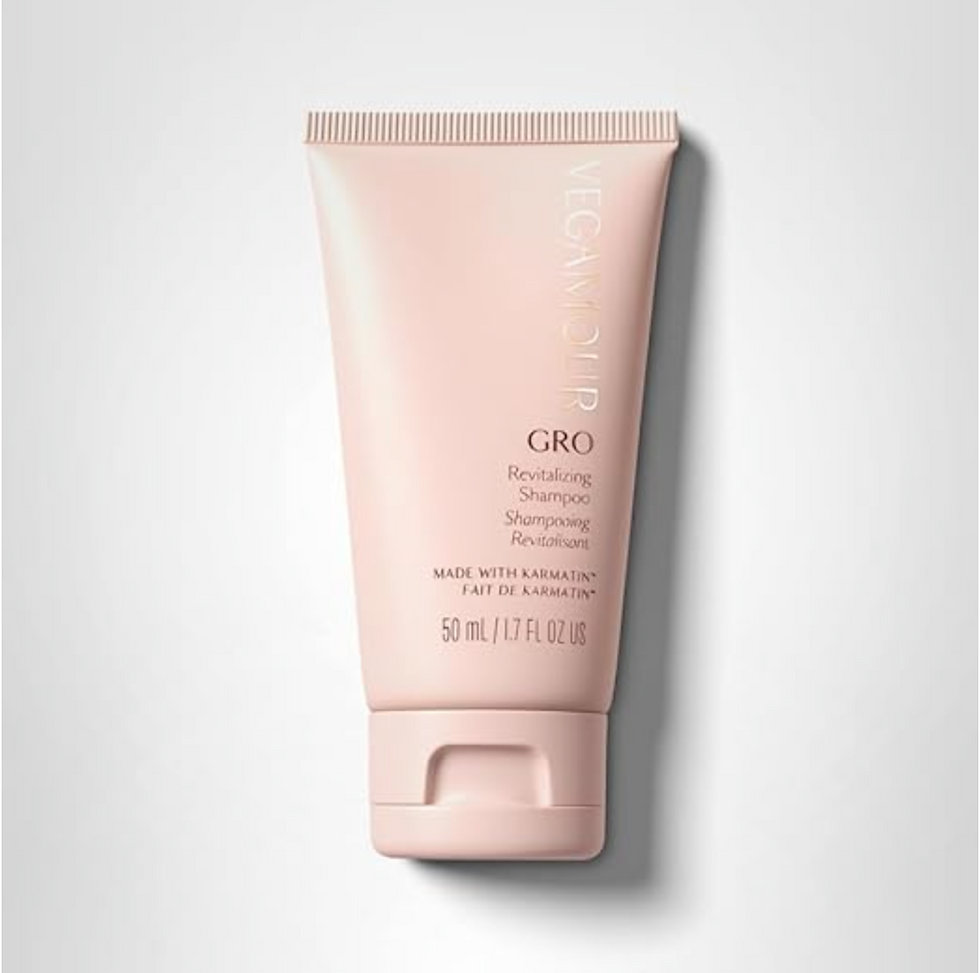
Here are some things I've tried that work, but the PRP took my hair growth over the top!




Comments